Tablecloths serve both practical and aesthetic roles in dining and hospitality settings, protecting tabletops while defining a cohesive table presentation. Materials, weave, and finishing influence durability, ease of care, and texture. Linen, cotton blends, and other natural fibers offer varying levels of absorbency, sheen, and wrinkle resistance to suit different environments and uses.
Linenchoices.com highlights features of high-quality tablecloths such as fiber length, thread count, and weight, which affect drape and longevity. Organic linen, in particular, provides a breathable, durable option with a natural luster. Understanding care guidelines helps maintain colorfastness and fiber integrity over repeated use and laundering.
Key considerations for selecting tablecloths include size accuracy, edge finishing, and ease of maintenance. A well-sized cloth protects surfaces, accommodates diners, and reduces the need for frequent replacements. Finishing details like hemstitching or flat-felled hems contribute to a refined appearance while enhancing resistance to fraying.
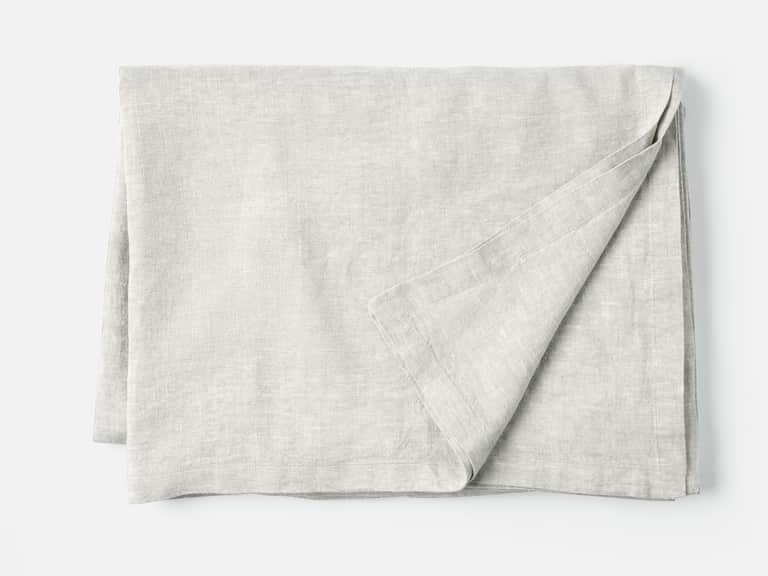
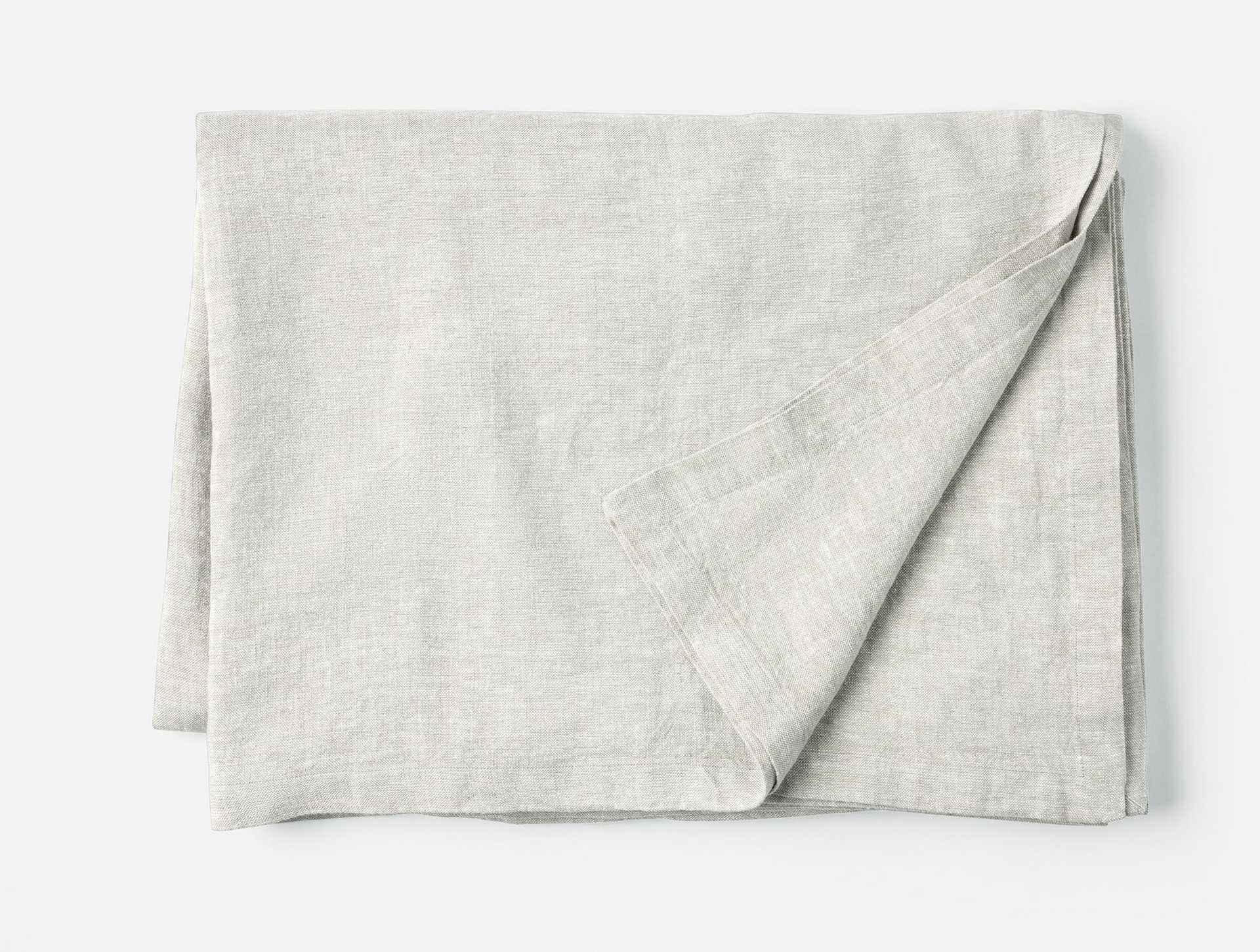
The Mojave Organic Linen Tablecloth exemplifies practical design with natural fiber benefits. Its organic linen composition offers a cool touch, high absorbency, and a lived-in drape that ages gracefully. Functional advantages include resistance to pilling, improved wrinkle behavior, and sustainability considerations aligned with responsible textile choices.
For compatible dining textiles, understanding how tablecloths interact with bedding and other linens—such as sheets, blankets, and comforters—can support coordinated aesthetics and functional performance. Meta keywords such as bedding, pillows, sheets, comforters, and wool comforters reflect related textile domains while underscoring the broader context of home textile care and use.
 Table
Table